This independent comparison website helps consumers choose the best available gambling product matching their needs. We offer a high-quality advertising service by featuring only established brands of licensed operators in our reviews. Please note that although we endeavour to provide you with up-to-date information, we do not compare all operators on the market.
Betting guide
Grand National betting: each way, a big field and what changes a bet
The Grand National is a handicap steeplechase with a field of up to 34. This guide covers the race facts, each way on a big field, ante-post risk and Rule 4. Jump to each way on the National, or use the each way calculator.
The race in a few facts
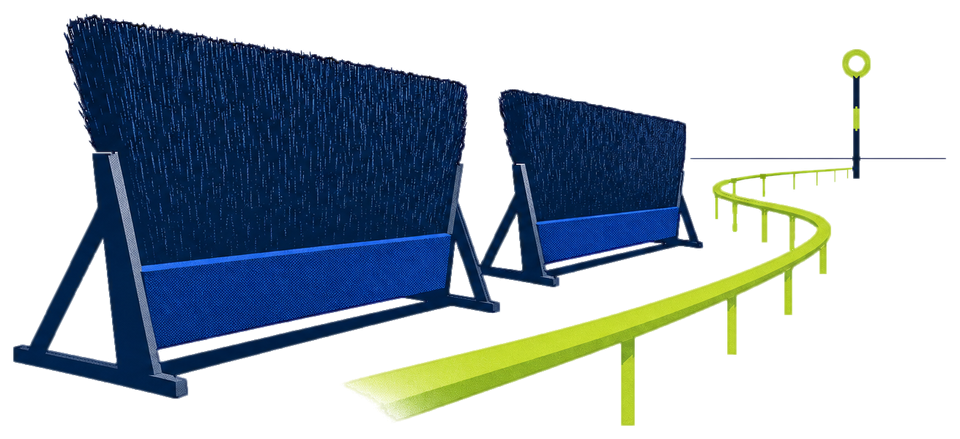
The Grand National is run at Aintree in April, on the Saturday of the Aintree Festival. It is a handicap steeplechase over about four and a quarter miles, four miles and two and a half furlongs, and the runners jump 30 fences over two circuits. The fences are among the best known in the sport, and the race is watched by many people who bet on no other race in the year.
The race has changed in recent years. From 2024 the maximum field was cut from 40 to 34 runners, as part of a review of safety. The first fence was moved closer to the start, the horses start from a standing position, the minimum rating for entry was raised from 125 to 130, and foam and rubber toe boards were added to the fences. Reserves, which were allowed back, run as numbers 35 to 38 if a place becomes free. Any of these details can be changed again, and the Jockey Club and the bookmakers’ own pages are the place to check the current rules.
Why the field size matters to a bet
A big field means long prices. In a race of 34 runners, the favourite is not far in front of the rest, and an outsider at 50/1 or 100/1 is a real part of the betting. It also means that more horses finish in the places than in a small race, so the place part of an each way bet pays on more runners. Bookmakers set the place terms for the race, and several advertise more places than their standard terms.
Neither of those makes the race easy to predict. Big fields mean traffic, falls and horses pulled up, and in a race of this length a large share of the runners do not finish. A price tells you what the market thinks; it does not tell you which horse will get round.
Each way on the National
An each way bet is the usual way to bet on a long-priced runner, and the National is the race where most people place one. A £5 each way bet costs £10: one win bet and one place bet. At a quarter of the odds, the place part pays a fraction of the win price if the horse finishes inside the places.
| Price | If it wins | If it only places |
|---|---|---|
| 10/1 | £72.50 (profit £62.50) | £17.50 (profit £7.50) |
| 33/1 | £216.25 (profit £206.25) | £46.25 (profit £36.25) |
| 66/1 | £422.50 (profit £412.50) | £87.50 (profit £77.50) |
The table shows the shape of it. At 33/1 a winner returns £216.25 on the £10 staked, and a horse that only places returns £46.25, which covers the stake several times over. At 10/1 the place part is much smaller. The number of places is set by the bookmaker for this race, so read the line on the bet slip before you place the bet. Our each way guide explains the sums, and the each way calculator works them out for any price and place terms.
Ante-post and the day of the race
Bookmakers open betting on the National months before the race. An ante-post price can be bigger than the price on the day, and the risk is that your horse never reaches the start. In most cases the stake on an ante-post bet is lost if the horse is not a runner, where a bet struck on the day would be void and returned. Best Odds Guaranteed does not usually cover ante-post bets either.
Many bettors wait until the declarations, a few days before the race, when the field is known. The odds on a horse can move a lot between the entries and the off, and the prices on offer in the morning can differ from the starting price. A bet at an early price with Best Odds Guaranteed is paid at the starting price if that is bigger, from the time the bookmaker states on the day. Our Best Odds Guaranteed guide lists the start times and conditions of the ten bookmakers on our card.
Non-runners and Rule 4
Horses are withdrawn from the National in the days before the race, and a horse that has been backed at a short price coming out is the case that changes the market most. If a horse is withdrawn after you have placed a fixed-price bet and after the final declarations, a Rule 4 deduction can take a share of your winnings. If your own horse is withdrawn, the bet is void and the stake is returned.
| Withdrawn horse | Deduction | Return |
|---|---|---|
| None | 0p | £210.00 |
| 20/1 | 5p | £200.00 |
| 10/1 | 5p | £200.00 |
| 8/1 | 10p | £190.00 |
| 6/1 | 10p | £190.00 |
In a field this big, most of the horses are at long prices, so many withdrawals cost little: a horse at 10/1 or longer takes 5p in the pound off the winnings. A shorter price costs more. Our Rule 4 guide explains the scale and the Rule 4 calculator works out the deduction for your bet.
Reading the entries: weights, ratings and the going
The National is a handicap, which means each horse carries a weight set by an official handicapper from its past runs. The better-rated horses carry more, so that on paper the field is evenly matched. That is why big handicaps are hard to predict and why their prices are wide. A horse’s rating decides whether it can enter at all, and the minimum has gone up in recent years.
The going, which describes the state of the ground from firm and good to soft and heavy, can change what suits a horse. A horse that likes soft ground can be a very different price from one that does not, and the going report is published on the days before the race and updated on the morning. Look at the going before you look at the odds, and remember that the prices already allow for it.
Bet types you will see on the day
Beyond the win bet and the each way bet, the usual racing bets are available. A forecast asks you to name the first two horses in order and a tricast names the first three. In a field of 34 these are hard to land, and the prices are long to match. Bookmakers also list bets on how many horses finish, on which jockey rides the winner and on the horse’s starting price. These specials come with their own terms, so read how a bet is settled before you place it.
Placing a National bet step by step
First decide the total you are happy to lose and treat it as the cost of watching the race. Then choose the bet type: win, each way, or a multiple that includes the race. Check the place terms, which state the fraction and the number of places. Decide whether to take an early price or the starting price, and look for Best Odds Guaranteed if you take an early price. Look for the Rule 4 terms, which matter when horses are withdrawn. Finally, check the stake box: on an each way bet the stake is the amount on one part, and the total is twice that.
Common mistakes with the National
The first is staking more than usual because the race is a big occasion. The second is reading the stake on an each way bet as the total. The third is placing an ante-post bet and forgetting that the stake can be lost if the horse is withdrawn. The fourth is taking an early price without the guarantee and watching the horse start at a bigger price. The fifth is ignoring the place terms, which differ between bookmakers and are the reason an each way bet pays what it does.
Accumulators and full-cover bets that include the National
The National is often the long leg of an accumulator or a full-cover bet that joins several races on the same day. Joining a long-priced leg to others multiplies the return and the chance that one leg lets the bet down. A Lucky 15 or a Yankee spreads the risk across combinations and multiplies the stake by the number of bets. Work out the total before you place it with our bet calculator, and see the types of bets guide for what each bet costs.
Using the tools on this site for the race
Three of our tools suit the National. The each way calculator shows the return of a win and a place at the price and the terms you enter. The Rule 4 calculator shows what a withdrawal does to a winning bet, and it has a Best Odds Guaranteed option for an early price. The odds converter turns any price into its implied chance, which is a useful reminder that a 50/1 horse is priced at about a 2 per cent chance, before the margin.
None of the tools predicts the race. They turn the prices and the terms you enter into figures, so that you know what a bet costs and what it would return before you place it.
The once-a-year bet
For many people the National is the one bet of the year, and it is easy to stake more than usual because the race is a big event. Decide the amount before you start and keep to it. A large field and long prices mean that most bets lose, and a few return a lot, which is what the prices say. Set a deposit limit in your account, bet within a budget you can afford to lose, and do not chase a loss on the next race of the day.
Betting is for people aged 18 and over. For free, confidential support, contact GambleAware, and use GamStop if you want every licensed UK site blocked. Our horse racing betting sites guide compares ten UK-licensed bookmakers, and the betting apps page covers what to check before you bet from a phone.
More betting guides
- What is Rule 4 in horse racing, and how does the deduction work?
- What is Best Odds Guaranteed, and how does it work on a racing bet?
- Each way betting explained: the win part, the place part and the sums
- Types of bets explained, from a single to a Heinz
- Betting glossary: the terms you meet on a UK bet slip
- Cheltenham Festival betting: four days, four feature races, the terms
- Royal Ascot betting: five days of flat racing and how the terms work
Questions about this guide
How many runners can there be in the Grand National?
Up to 34 from 2024, down from 40. Reserves run as numbers 35 to 38 if a place becomes free.
How long is the Grand National?
About four and a quarter miles, four miles and two and a half furlongs, over 30 fences on two circuits.
Is each way a good way to bet on the National?
It suits long prices, where the place part returns more than the stake. The number of places is set by each bookmaker.
Does Rule 4 apply to the National?
Yes, to a fixed-price bet when a horse is withdrawn after the final declarations. A horse at 10/1 or longer costs 5p in the pound.
Are ante-post bets covered if a horse does not run?
In most cases the stake is lost. Read the bookmaker’s ante-post terms.